Blog / Fox Lake Used Cars

The Top 10 Greatest Chevrolet Vehicles of All Time

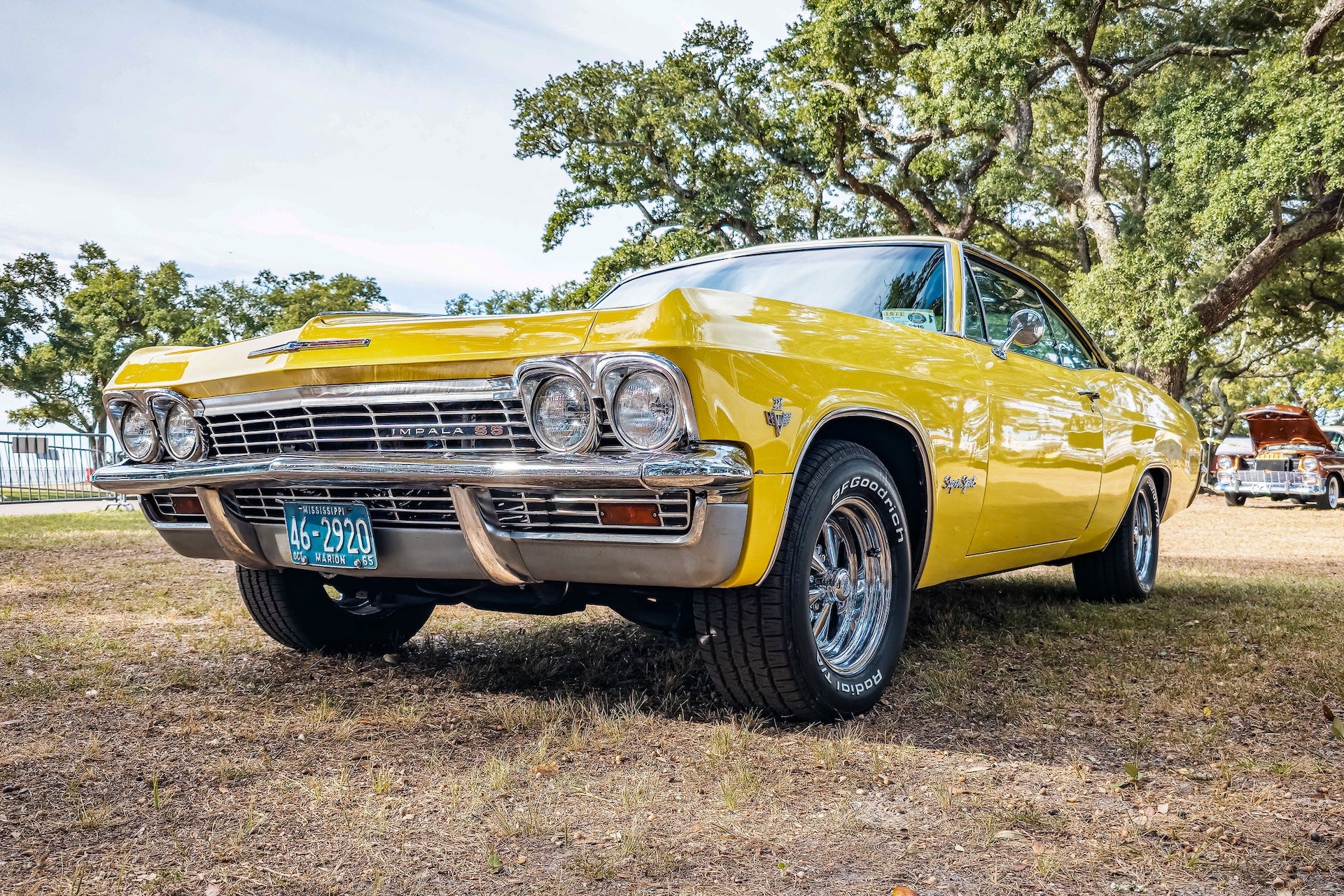
Low perspective front corner view of a 1965 Chevrolet Impala SS Hardtop Coupe at a local car show.

Chevrolet is a name recognized for innovation, dependability, and style. For over a century, Chevrolet has delivered vehicles that have captured imaginations and set new standards on the road. Here, we honor the top 10 greatest Chevrolet vehicles of all time, spotlighting what makes each one special.

1. Chevrolet Corvette Stingray (1963-1967)

The second-generation Corvette Stingray wowed car enthusiasts with its aerodynamic design and famous split rear window. Its V8 engine and agile handling made it a legend in the sports car world.

2. Chevrolet Camaro (1967-Present)

The Camaro hit the scene as Chevrolet's answer to the Ford Mustang, bringing muscle and style to American roads. Standouts like the 1969 Z/28 and today's ZL1 show how the Camaro blends heritage and performance.

3. Chevy Suburban (1935-Present)

As the longest-running automotive nameplate, the Suburban has evolved from a workhorse to a comfortable, spacious SUV—trusted by families and professionals for generations.

4. Chevy Impala (1958-2020)

A symbol of American luxury, the Impala impressed with its bold design and smooth ride. The 1964 Impala, in particular, stands as a cultural classic.

5. Chevy Silverado (1999-Present)

The Silverado is well-known for its reliability and toughness. From job sites to outdoor adventures, it’s been a top choice thanks to its power and utility.

6. Chevrolet Bel Air (1950-1975)

The Bel Air defined mid-century style with its two-tone paints and chrome touches. The 1957 Bel Air remains an icon of automotive design and nostalgia.

7. Chevrolet Corvette (C1, 1953)

The debut Corvette brought style and excitement to American drivers. Its fiberglass body and ambitious design launched one of the world’s best-loved sports car lines.

8. Chevrolet Chevelle SS (1964-1973)

A muscle car favorite, the Chevelle SS 396 delivered thrilling speed and bold looks. The 1970 454 SS further cemented its reputation among collectors and enthusiasts.

9. Chevy Volt (2011-2019)

The Volt signaled Chevy's commitment to sustainability, offering a smart combination of electric and gas power for practical everyday driving.

10. Chevrolet C10 Pickup (1960-1987)

The C10 Pickup balanced rugged utility and comfort. Its versatility and durability made it a trusted companion for work and daily life, with the square body era especially prized by collectors.

Celebrate Chevy’s Legacy with Ray Chevrolet

These legendary vehicles have shaped Chevrolet's story, blending innovation, reliability, and memorable style. Whether you admire the elegance of the Bel Air or the strength of the Silverado, there’s a Chevrolet for every road ahead.

At Ray Chevrolet in Fox Lake, we proudly offer a wide range of new, used, and certified pre-owned Chevrolets. Our dedicated team is here to provide exceptional service and help you find the right vehicle.

Stop by to explore our inventory and experience why Chevy continues to earn the trust of drivers across generations. Your next adventure starts with Ray Chevrolet!

Posted in:

Recommended Posts

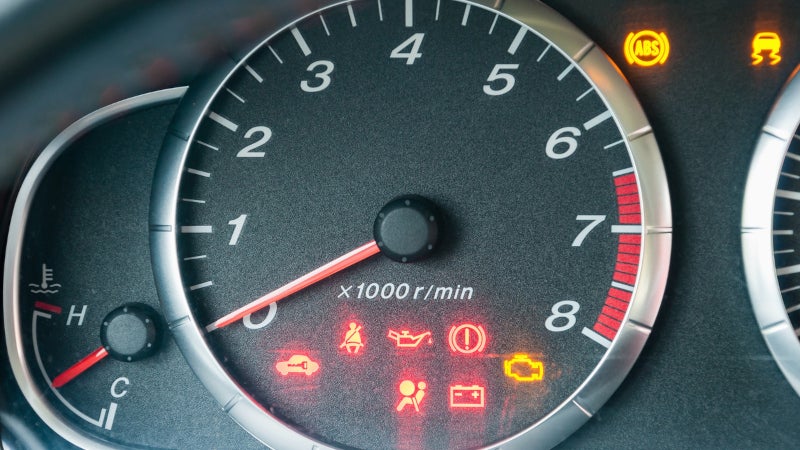
Car instrument cluster with the tachometer needle at zero and multiple warning lights lit, including check engine, ABS, oil pressure, battery, airbag, and seatbelt indicators.

Chevy Dashboard Warning Lights Explained

That Light Just Came On: What Your Chevy Is Trying to Tell You You're heading down Route 12 on a cold morning when a new light blinks on your dash. Maybe it's orange. Maybe it's red. Either way, your stomach drops. Here's the good news: most dashboard lights aren't emergencies, and the few that are tell you so by their color. Let's walk through how to read them, which ones mean pull over now, and which ones can wait until you can call us. Start with the color Think of your dash like a traffic light. Red means stop when it's safe. Amber (yellow or orange) means plan to get it checked soon. Green or blue just means a feature is on, like your high beams. One more thing before you panic: when you start your Chevy, a lot of lights flash on for a moment. That's a bulb check, and it's normal. The ones to watch are the lights that come on, or stay on, while you're driving. The rule of thumb: red means stop, amber means schedule, green means relax. The lights that mean pull over If one of these comes on, find a safe place to stop. Don't try to "make it home." Oil pressure. This is the red oil can, or a message that says Oil Pressure Low/Stop Engine. Chevrolet says to safely bring the vehicle to a stop, because running with low oil pressure can damage the engine. When it's safe, check the oil level (your owner's manual shows how). If the light stays on, don't keep driving. Engine temperature. If the temperature gauge climbs into the red or you get an overheating warning, pull over, shut the engine off and let it cool. Never open the coolant cap while the engine is hot. Brake system. Sometimes it's just the parking brake. Make sure it's fully released. If the light stays on, or the pedal feels soft, stop when it's safe and call us. Brakes shouldn't wait. Charging system. The battery icon means your vehicle isn't keeping its battery charged. It may be running on battery power alone and could stop. Turn off extras like heated seats and get to a safe place. A flashing check engine light. A steady light is one thing. A flashing one is more serious. Chevrolet's manual says to reduce your speed and avoid hard acceleration. If it keeps flashing, find a safe place to stop, turn the vehicle off for at least 10 seconds and restart it. If it's still flashing, see your dealer as soon as possible. The lights you can schedule (but shouldn't forget) Amber lights are your Chevy's way of saying, "Look at me soon." They usually aren't emergencies, but they rarely fix themselves. A steady check engine light. Your vehicle's on-board diagnostic system has found a problem. Chevrolet notes the system often flags a malfunction before you notice anything wrong. Try tightening the gas cap, then schedule a visit. Skip long trips and heavy loads until it's checked. Tire pressure. The horseshoe with an exclamation point means one or more tires is low. Check all four and add air to the pressure on the label inside the driver's door. If the light flashes and then stays on, the monitoring system itself may need service. StabiliTrak or traction control. If it blinks while you're driving on a slick road, it's working, so ease off the gas. If it stays on, schedule a visit. ABS. Your regular brakes should still work, but you won't have anti-lock help in a hard stop. Drive carefully and schedule a visit. Change Engine Oil Soon. This one comes from your Oil Life System and isn't an emergency. Chevrolet says to service the vehicle as soon as possible, within the next 600 miles. It isn't the same as the oil pressure warning, and it doesn't tell you the oil level. Reduced Engine Power. Your vehicle is limiting power to protect itself. Get to a safe place and call us. What to do in the first minute Note the color, and whether it's flashing. Red and flashing are the most urgent. If it's red, pull over when it's safe and turn the engine off. Check the easy stuff. Is the parking brake on? Is the gas cap tight? Are your tires low? Look it up in your owner's manual. Symbols and wording vary by model. Call us. Tell us the light, whether it flashes and how the vehicle feels. We'll help you decide whether to drive in or call for a tow. A Fox Lake note: cold snaps and testing season Lake County winters are hard on warning lights. Cold air shrinks tire pressure by about 1 psi for every 10°F, according to AAA, so the tire light often comes on after the first hard cold snap. AAA also says a battery loses about 35% of its strength at 32°F and about 60% at 0°F, which is why a weak battery often shows itself in winter. If yours is around three years old, ask us to test it. There's one more reason not to ignore a check engine light here. Lake County is part of Illinois' vehicle emissions inspection area, and a lit light can keep a vehicle from passing the on-board diagnostics check. Find out why it's on before your test, not at it. Keep this in your glove box Red light: pull over when it's safe. Flashing check engine light: slow down, and get it checked right away. Steady check engine light: schedule a visit soon. Tire light: check your tire pressure today. StabiliTrak blinking on ice: it's working. Reduced Engine Power: get to a safe place and call us. Not sure what you're seeing? Call us. Our GM-certified service team can find out what a light means and walk you through your options before any work is done. We're at 39 N. Rte. 12 in Fox Lake. Service hours are Monday to Thursday, 7:00 a.m. to 7:00 p.m., Friday, 7:00 a.m. to 6:00 p.m., and Saturday, 7:00 a.m. to 2:00 p.m. We're closed Sunday. Warning lights and messages vary by model, trim and year, and some appear only on certain vehicles. This post is a general guide and isn't a diagnosis. For your exact vehicle, see your owner's manual or contact our service department.

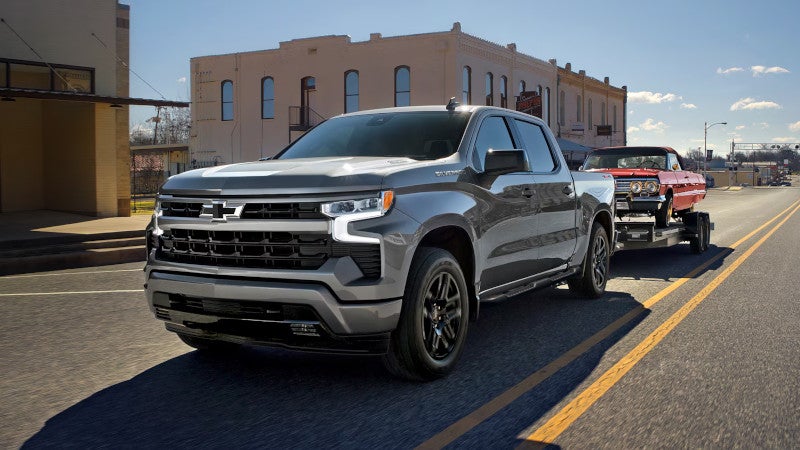
2026 Chevrolet Silverado 1500 Towing a red vehicle

2026 Chevy Silverado 1500 Towing Guide

Which Engine and Configuration Do You Need? Quick answer: A properly equipped 2026 Chevy Silverado 1500 can tow up to 13,300 pounds. You get that maximum rating with the available 3.0L Duramax Turbo-Diesel, the right cab and bed setup, and 20-inch wheels. Every 2026 Silverado 1500 starts at a minimum rating of 8,700 pounds. Your truck's exact capacity depends on its engine, cab, bed length, drivetrain, axle ratio, and trailering equipment. Around here, towing is part of daily life. Fox Lake sits right on the Chain O'Lakes, so a lot of our neighbors are pulling pontoons to the launch on summer weekends. Others haul campers up into Wisconsin or tow equipment trailers to job sites across Lake and McHenry counties. At Ray Chevrolet, the question we hear most from truck shoppers isn't "which Silverado looks best?" It's "which Silverado can actually pull what I've got?" This guide answers that question. We'll walk through each engine and the configuration choices that change your tow rating, then help you match the right setup to the trailer you actually own. 2026 Silverado 1500 Towing Capacity by Engine 2.7L TurboMax: The Everyday Hauler The TurboMax is standard on the WT, Custom, Custom Trail Boss, LT, RST, and LT Trail Boss. Don't let the four-cylinder label fool you. Chevrolet rates it at 430 lb-ft of torque, which it says is the most standard torque in the class. That low-end pull makes a real difference when you're backing a boat down a ramp or getting a loaded trailer moving from a stop. Best for: Occasional towing of lighter loads, such as fishing boats, jet ski trailers, small utility trailers, and pop-up campers. The TurboMax is also a good choice if you haul heavy loads in the bed more than you tow. Because it's the lightest engine, it gives you the Silverado's highest payload rating, up to 2,260 pounds. 5.3L EcoTec3 V8: The All-Around Favorite The 5.3L V8 is standard on the LTZ and High Country and available on most other trims. For many Northern Illinois truck owners, it's the sweet spot. It gives you V8 smoothness and a 10-speed automatic transmission, plus enough capability for most mid-size travel trailers, larger boats, and car haulers. Best for: Drivers who tow regularly, but not at the top of the scale. It's a familiar, proven V8 without the price of the 6.2L or the diesel. 6.2L EcoTec3 V8: Maximum Gas Muscle The 6.2L is the strongest gas engine in the lineup, with 420 horsepower and 460 lb-ft of torque. It's available on select RST, LT Trail Boss, LTZ, High Country, and ZR2 models. If you want top-tier towing and prefer gas over diesel, this is your engine. It feels especially confident when you're merging onto I-94 or Route 12 with a heavy load behind you. Best for: Heavy travel trailers, larger enclosed trailers, and drivers who want strong passing power with a full load. 3.0L Duramax Turbo-Diesel: The Towing Champ The Duramax gives the 2026 Silverado 1500 its highest tow rating, up to 13,300 pounds, along with the most torque in the lineup at 495 lb-ft. According to Chevrolet, it's the only diesel engine offered in a full-size light-duty pickup. It's also rated at up to 28 MPG highway, which Chevrolet says is the best in the class. That efficiency adds up on long hauls, like pulling a camper to the Northwoods for a week. Best for: Frequent or long-distance heavy towing, and drivers who want the best fuel range with or without a trailer. The Duramax is standard on the ZR2 and available on the Custom Trail Boss, LT, RST, LT Trail Boss, LTZ, and High Country. Configuration Matters as Much as the Engine Two Silverados with the same engine can have very different tow ratings. Here's what else changes the number. Cab style and bed length. The Silverado comes in Regular Cab, Double Cab, and Crew Cab body styles. Beds come in short (5'8"), standard (6'6"), and long (8') lengths. Chevrolet's 13,300-pound maximum is listed for a Double Cab Standard Bed with the Duramax and 20-inch wheels. A heavier cab and bed combination adds curb weight, which can lower your rating. 2WD vs. 4WD. Four-wheel drive adds weight, and that can slightly reduce maximum towing. Most drivers in Lake County still choose 4WD for winter traction and slippery boat launches. Just know it's part of the equation. The Max Trailering Package. If you're chasing the highest ratings, this package is the key. It generally adds a higher-capacity rear axle, an upgraded cooling system, and an integrated trailer brake controller. Ask our team which trucks on the lot already have it. Wheels and axle ratio. Wheel size and rear axle ratio both affect gearing and tow ratings. The top ratings are tied to specific wheel and axle combinations. Off-road trims. The Custom Trail Boss, LT Trail Boss, and ZR2 are built for the trail. Their lift, tires, and suspension tuning usually mean lower tow ratings than a comparable standard truck with the same engine. If towing is your top priority, a non-lifted LT, RST, LTZ, or High Country is usually the better fit. Don't Forget Payload and Tongue Weight Towing capacity is only half the story. Your trailer's tongue weight (typically around 10 to 15 percent of the trailer's total weight) presses down on the hitch and counts against your truck's payload. So do your passengers, your cooler, and everything in the bed. Picture a family of four heading to a campground with a loaded bed and a 7,000-pound travel trailer. They can use up payload faster than they'd expect. Before you buy, check the payload and tow ratings on the actual truck you're considering, not just the brochure maximums. Matching Your Silverado to What You Tow Every trailer is different, so use these as general starting points and always confirm your specific trailer's loaded weight. Fishing boat, jet skis, or small utility trailer: The 2.7L TurboMax will usually handle these with room to spare. Pontoon or mid-size ski boat for the Chain O'Lakes: The TurboMax can often handle it. The 5.3L V8 gives you more margin on steep ramps and highway runs. Mid-size travel trailer or car hauler: Look at the 5.3L V8 or step up to the 6.2L, depending on the trailer's loaded weight. Large travel trailer, heavy enclosed trailer, or equipment trailer: The 6.2L V8 or the 3.0L Duramax with the Max Trailering Package. Frequent long-distance towing: The Duramax stands out for torque and fuel range. Towing more than about 13,000 pounds regularly: Consider stepping up to a Silverado 2500HD or 3500HD. We can walk you through those too. Towing Tech That Makes Life Easier The 2026 Silverado 1500 offers technology that takes a lot of stress out of towing: Up to 14 camera views from eight available cameras, including views that help with hitching and seeing around your trailer. These are available on the LT, RST, LT Trail Boss, LTZ, ZR2, and High Country. Trailer Side Blind Zone Alert extends blind-zone warnings to cover the length of your trailer. The In-Vehicle Trailering App lets you create trailer profiles and walk through pre-departure checklists. Super Cruise with trailering, available on the High Country, offers hands-free driver assistance on compatible roads, even while towing. Find Your Towing-Ready Silverado at Ray Chevrolet The right Silverado depends on what you tow, how often you tow it, and where you're headed. Our team will help you compare engines, configurations, and trailering packages side by side, so you drive home in a truck that fits your trailer instead of guessing. Browse our 2026 Silverado 1500 inventory, schedule a test drive, or value your trade today. You can also call our sales team at 866-222-8857 or stop by 39 N. Rte. 12, Fox Lake, IL 60020.

Chevy Equinox Vs Chevy Trax: Which Chevy Fits Your Lifestyle?

Equinox versus Trax is one of the most common questions shoppers bring to Ray Chevrolet, located at 39 US-12 in Fox Lake, IL. Both are Chevrolet SUVs, both are known for value and efficiency, and both are popular with a wide range of drivers. But they're built for different priorities and different budgets. Here's a breakdown of how they compare. Chevy Equinox: More Room and More Capability The Equinox is a compact SUV built for drivers who want extra space, all-wheel drive availability, and light towing capability. It starts at $29,995 for the LT trim. Engine Options Standard Engine: 1.5-liter turbocharged 4-cylinder, 175 hp, 184 lb-ft of torque (203 lb-ft with AWD) Paired with a CVT on front-wheel-drive models and an 8-speed automatic on all-wheel-drive models EPA-rated at 25 mpg city / 29 mpg highway (AWD) or up to 26 mpg city / 31 mpg highway (FWD) Towing & Cargo Max towing capacity: 1,500 lbs with AWD and the trailering package; 800 lbs on FWD models Max cargo volume: 63.5 cu.ft. with rear seats folded 29.8 cu.ft. of cargo space behind the rear seat with them in place Tech & Comfort Standard 11.3-inch touchscreen with Google built-in Available all-wheel drive on LT, RS, and ACTIV trims Ground clearance ranges from 7.6 to 8.0 inches depending on trim Chevy Safety Assist, including automatic emergency braking and lane keep assist, standard on every trim Chevy Trax: Affordable And Efficient The Trax is a subcompact SUV built for drivers who want a lower price point and strong fuel economy without giving up cargo space. It starts at $23,495, including destination. Engine Options Standard Engine: 1.2-liter turbocharged 3-cylinder, 137 hp, 162 lb-ft of torque Paired with a 6-speed automatic transmission EPA-rated at 28 mpg city / 32 mpg highway Front-wheel drive only; all-wheel drive is not offered on the Trax Cargo & Practicality Cargo volume: 25.6 cu.ft. behind the rear seat, expanding to 54.1 cu.ft. with the 60/40-split seats folded The Trax is not rated for towing A wide, low floor and large cargo opening make loading easier Tech & Comfort Standard 11-inch touchscreen with wireless Apple CarPlay and Android Auto Available heated front seats and heated steering wheel on higher trims Compact dimensions make it easier to park and maneuver in tighter spaces Which One Fits Your Lifestyle? Choose the Equinox if: You want more interior and cargo room You need occasional towing capability or all-wheel drive for winter driving You're comfortable with a higher starting price for more capability Choose the Trax if: Keeping the purchase price low is a top priority You want the best fuel economy between the two You mainly drive in the city or suburbs and don't need to tow Neither Chevy is the wrong choice. They're built for different needs and budgets, and both are backed by the same Chevrolet reliability and safety technology. If you're still deciding, the sales team at Ray Chevrolet, 39 US-12 in Fox Lake, IL, can show you both models side by side and set up a test drive.